A short history of mining finance
Mines have funded fleets, empires and the first shareholders. This timeline follows the money, from ancient silver to today’s copper mergers.
Gold, in a few reference points
Silver, copper and the first shareholders
Long before stock exchanges, mines financed fleets and emperors, and produced the first transferable shares.
Laurion pays for a navy
Athens struck a rich silver vein at Laurion. Themistocles persuaded the assembly to build a fleet of warships rather than share out the windfall, and that fleet won at Salamis in 480 BC.
Rome works the Rio Tinto
Roman engineers mined copper and silver along the Rio Tinto in southern Spain, a belt that had already been worked for centuries.
A share in a copper mountain
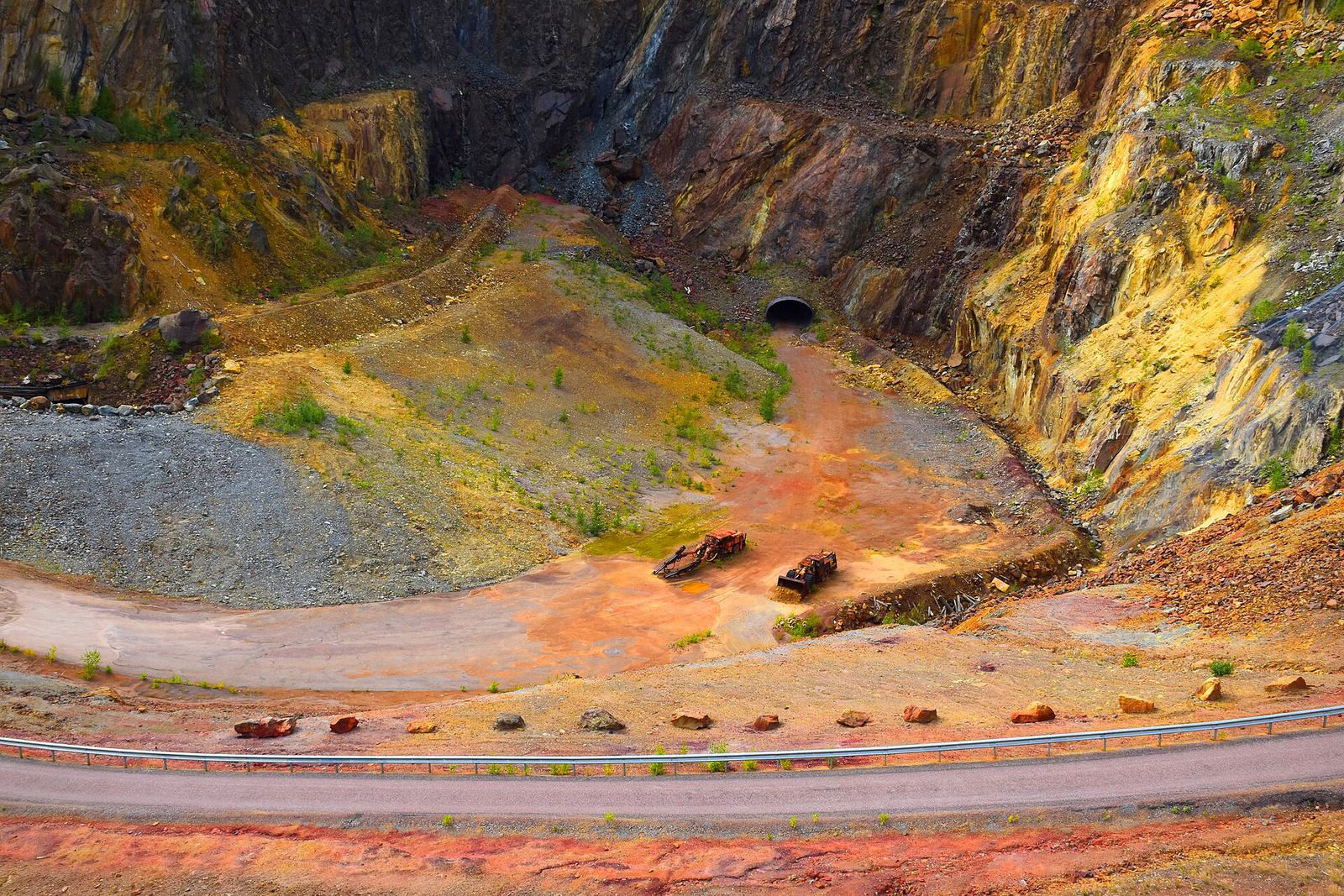
A deed records the transfer of a one-eighth share in the copper mountain at Falun, Sweden. It is often cited as the oldest surviving share document, and its owner, Stora Kopparberg, as one of the oldest companies.
Mines as collateral
Jakob Fugger’s loans, secured on Tyrolean silver and Hungarian copper, helped Charles V win election as Holy Roman Emperor. Mining output backed sovereign debt.
Module 7: Funding a projectPotosí and the first global currency
Silver from Cerro Rico in today’s Bolivia, minted into pieces of eight, circulated from Europe to China and became a world currency.
Rushes, Randlords and the first majors
Gold rushes drew people; deep mines needed capital. London became the financial centre of world mining.
The California gold rush
Gold found at Sutter’s Mill set off a rush that transformed the American West.
Australia’s gold rushes
Discoveries in New South Wales and Victoria multiplied Australia’s population within a decade.
The Rio Tinto Company
A London-based consortium bought the Rio Tinto mines from the Spanish state, the origin of today’s Rio Tinto group.
Module 9: The M&A processThe Witwatersrand
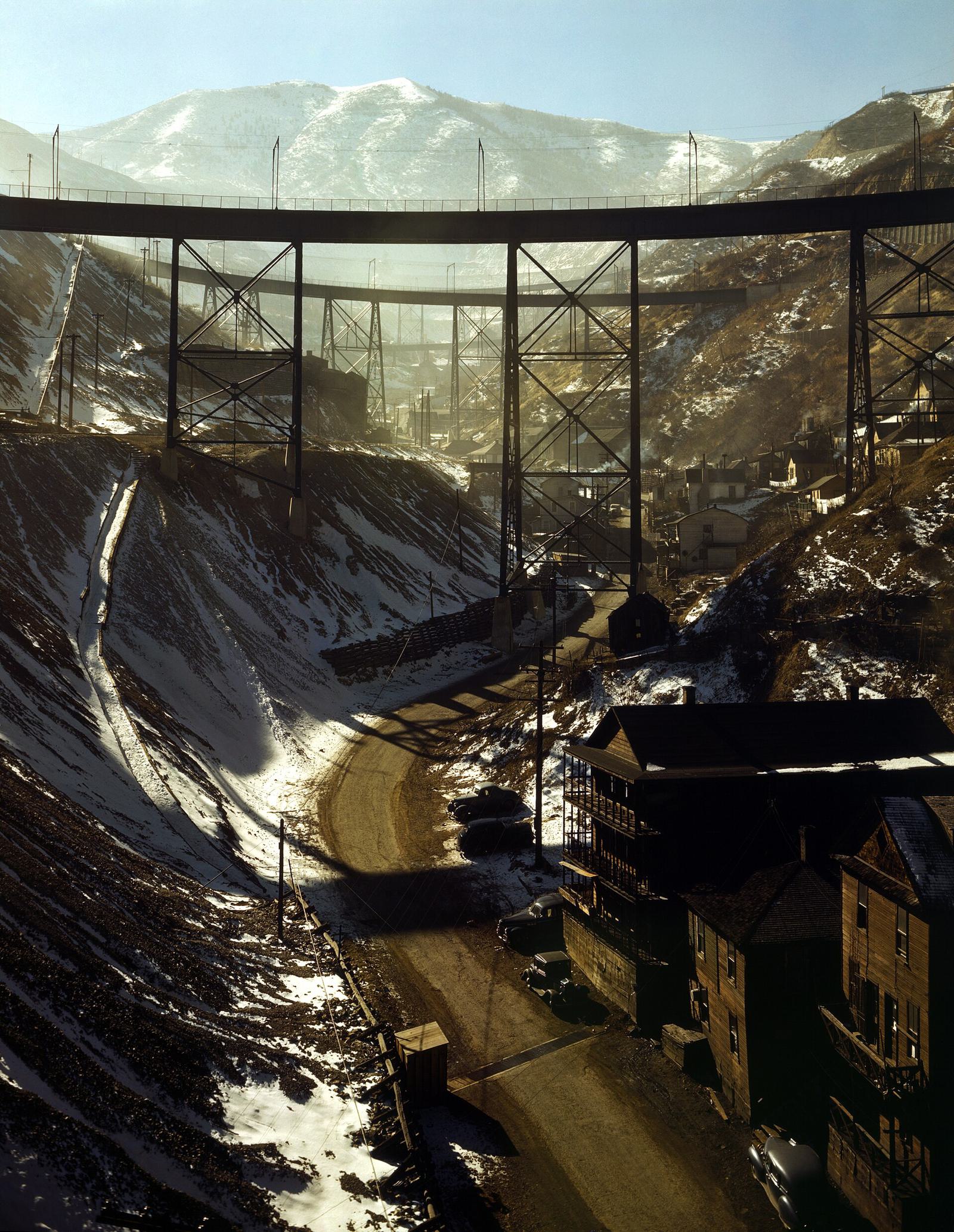
The discovery of the main reef led to the founding of Johannesburg. Deep-level mining needed capital raised in London by the financiers known as Randlords.
Module 7: Funding a projectDe Beers Consolidated Mines
Cecil Rhodes consolidated the Kimberley diamond claims with financing from the Rothschilds, an early case of consolidation for pricing power.
Module 9: The M&A processAnglo American is founded
Ernest Oppenheimer created Anglo American with American capital, including J.P. Morgan, to develop South African gold.
Bretton Woods
The dollar was fixed to gold at $35 an ounce, which capped the gold price for a generation.
Module 4: Metal markets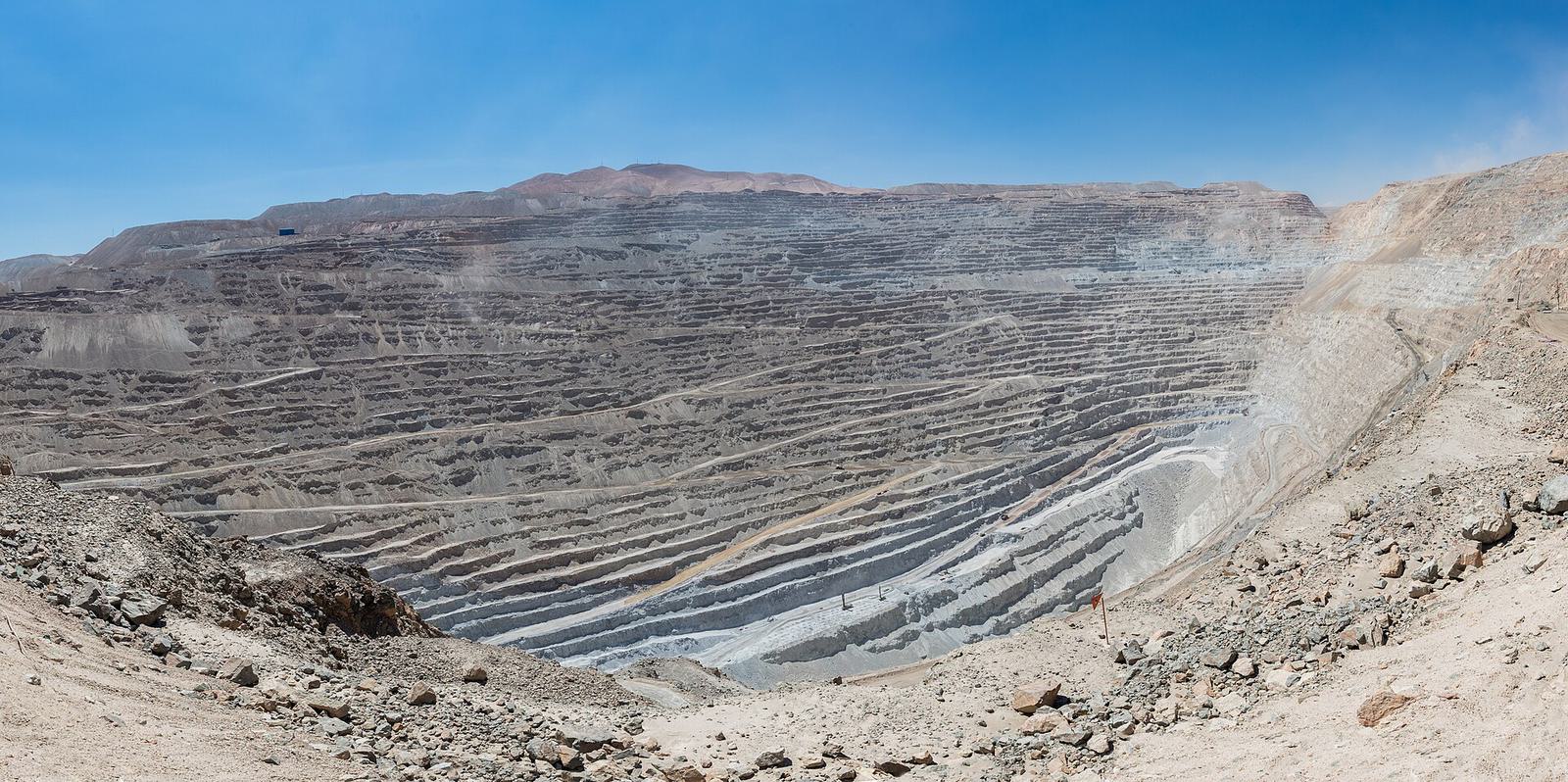
Nationalisation and price shocks
Host states took control of their mines, prices were set free, and fraud forced the industry to codify disclosure.
Katanga’s copper is nationalised
Zaire took over Union Minière’s copper assets, creating the state company later known as Gécamines.
Module 10: Risk and jurisdictionChile nationalises copper; gold floats
Chile’s congress voted to nationalise the large copper mines, later grouped into Codelco. In August, the United States ended the dollar’s convertibility into gold.
Module 10: Risk and jurisdictionGold reaches $850
Inflation and geopolitical fear drove gold to a peak in January 1980 that it would not regain in nominal terms for 28 years.
Module 4: Metal marketsFranco-Nevada and the royalty model
Pierre Lassonde and Seymour Schulich founded Franco-Nevada, building a business on royalties rather than operating mines.
Module 7: Funding a projectThe tin crisis
The International Tin Council ran out of money to support prices, and the LME suspended tin trading.
Module 4: Metal marketsThe first JORC Code
Australia published its first code for reporting exploration results, resources and reserves.
Module 2: Resources and reservesBre-X collapses
Samples from the Busang project in Indonesia were found to have been salted with gold. Bre-X had been worth over C$6bn; its collapse led directly to Canada’s NI 43-101 in 2001.
Module 3: Reading a technical reportThe Washington Agreement
European central banks agreed to cap their gold sales, with gold near a 20-year low around $250 an ounce.
Module 4: Metal markets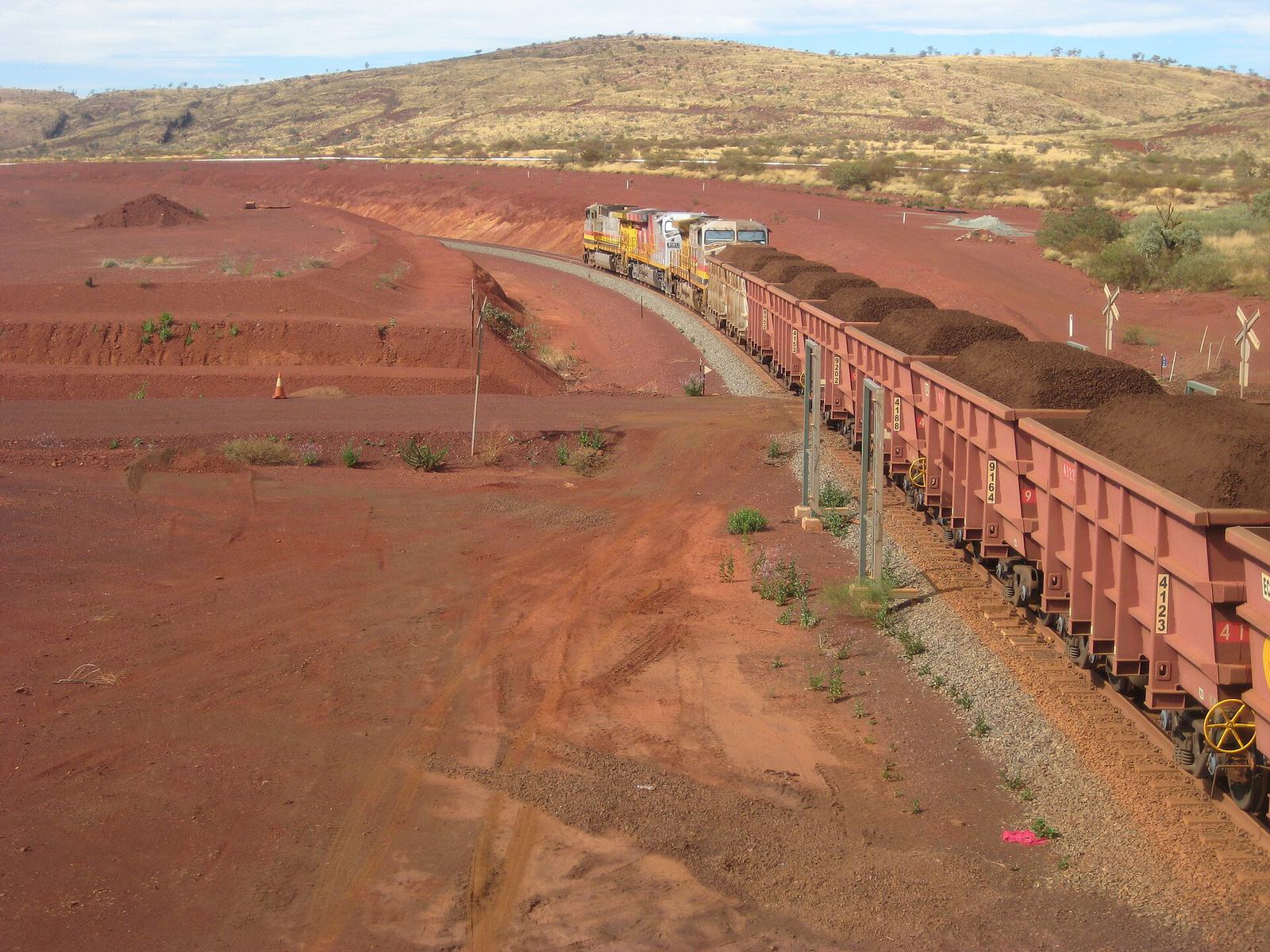
The supercycle
Chinese demand drove a decade-long boom. Majors merged, overpaid, then wrote down billions.
BHP Billiton and NI 43-101
BHP and Billiton merged into a dual-listed company. Canada’s NI 43-101 came into force, setting the template for modern technical reports.
Module 3: Reading a technical reportStreaming is born
Silver Wheaton began buying silver produced as a by-product at other companies’ mines, the model behind today’s streaming industry.
Module 7: Funding a projectRio Tinto buys Alcan
Rio Tinto agreed to pay $38.1bn in cash for Alcan, then the largest acquisition in mining history, outbidding Alcoa.
Module 9: The M&A processBHP drops its bid for Rio Tinto
As the financial crisis hit, BHP withdrew its offer for Rio Tinto, citing debt and the risks of required asset sales.
Module 9: The M&A processGold above $1,900
Gold set a record above $1,900 an ounce in September, near the top of the supercycle.
Module 4: Metal marketsThe writedowns
Rio Tinto took about $14bn of impairments on Alcan and Mozambique coal and replaced its chief executive. Glencore completed its merger with Xstrata.
Module 5: Valuing a mineSamarco and the bottom
The Samarco tailings dam failed at Mariana, Brazil, killing 19 people. Commodity prices hit their cycle lows.
Module 10: Risk and jurisdictionDiscipline, ESG and copper
Investors demanded returns over growth, ESG failures became financial risks, and copper became the prize.
Gold mega-mergers and Brumadinho
Barrick merged with Randgold, Newmont bought Goldcorp, and the two formed Nevada Gold Mines. In Brazil, Vale’s Brumadinho dam failure killed about 270 people.
Module 9: The M&A processJuukan Gorge and GISTM
Rio Tinto destroyed ancient rock shelters at Juukan Gorge, and its chief executive left. The industry adopted the GISTM tailings standard.
Module 10: Risk and jurisdictionThe LME nickel crisis
Nickel more than doubled in a day; the LME suspended trading and cancelled trades.
Module 4: Metal marketsNewcrest and Cobre Panamá
Newmont agreed to buy Newcrest. Panama’s Supreme Court struck down First Quantum’s contract for Cobre Panamá.
Module 11: Case study: Newmont and NewcrestBHP courts Anglo American
BHP made three proposals for Anglo American and walked away. Rio Tinto agreed to buy Arcadium Lithium.
Module 9: The M&A processAnglo Teck and $4,000 gold
Anglo American and Teck announced a merger of equals focused on copper. Gold crossed $4,000 an ounce in October.
Module 9: The M&A processConsolidation continues
Rio Tinto and Glencore talked and parted. Equinox and Orla, Coeur and New Gold, and Genesis and Vault combined.
Module 9: The M&A processPost-mortems
Four deals and projects that destroyed value, and what each one teaches a buyer or a lender.
Rio Tinto buys Alcan at the top
- About US$38bn in cash, completed in 2007
- US$8.4bn written off on aluminium for 2008
- About US$15.2bn raised through rights issues in 2009
Rio Tinto outbid Alcoa and paid about US$38 billion in cash for Alcan, funded with debt. A year later metal prices collapsed. Rio wrote off US$8.4 billion on aluminium for 2008, abandoned a planned deal with Chinalco and raised about US$15.2 billion through rights issues to repay the acquisition debt. More than US$10 billion of further aluminium writedowns came with the 2012 results, and the chief executive left in January 2013.
Lesson. A cash deal at the top of the cycle leaves the buyer carrying all of the downside. Shareholders who never chose the risk paid for the repair through the rights issue.
Module 9: The M&A processSources: Rio Tinto filing on the Alcan acquisition (SEC), Rio Tinto rights issue results (SEC, 2009), Motley Fool Australia, January 2013
Kinross pays for Tasiast’s potential
- About US$7.1bn, mostly in shares, 2010
- About US$2.5bn written off for 2011
- About US$3.2bn more for 2012
Kinross bought Red Back Mining for about US$7.1 billion, mainly for the Tasiast gold mine in Mauritania, on the view that drilling would turn it into a very large operation. The expansion case did not hold. Kinross wrote off about US$2.5 billion for 2011 and about US$3.2 billion for 2012, close to 80% of the price, and cut the planned mill from 60,000 to 30,000 tonnes a day. The chief executive left in 2012.
Lesson. The premium paid for resource growth that had not yet been engineered. Before paying for upside, test the valuation on a smaller mine plan.
Module 5: Valuing a mineSources: The Globe and Mail, February 2013, Mining Weekly, February 2013
Pascua-Lama stops at the border
- US$5.1bn pre-tax impairment, second quarter of 2013
- Reserves reclassified as resources in 2017
- Closure of the Chilean side accepted in 2020
Pascua-Lama straddles the border between Chile and Argentina, high in the Andes, near glaciers that feed local water supplies. In 2013 Chile’s environmental regulator halted construction over breaches of the project’s environmental approval. That quarter Barrick booked a US$5.1 billion pre-tax impairment on the project, within about US$8.7 billion of charges as gold fell. It reclassified the reserves as resources in 2017 and in 2020 accepted the environmental court’s decision to close the Chilean side.
Lesson. Permits, water and neighbours are part of the valuation. Reserves remain reserves only while the mine can legally be built.
Module 10: Risk and jurisdictionSources: Barrick, second-quarter 2013 report (SEC), Mining Weekly, September 2020
Nevada Copper runs out of rescues
- Underground mining halted by ground problems in 2022
- US$3.6m of revenue against US$18.2m of costs, first quarter of 2024
- Chapter 11 filing in June 2024
Nevada Copper built the Pumpkin Hollow underground copper mine in Nevada, then could not ramp it up. Geotechnical problems blocked access to the mine in 2022, and the company relied on repeated rescue funding from its main backers, Pala Investments and Mercuria. When talks on a further package failed, it filed for Chapter 11 in June 2024 and put its assets up for sale; press reports said shareholders stood to lose their entire investment.
Lesson. A failed ramp-up is a financing problem as much as an engineering one. Each emergency raise comes on worse terms, and in insolvency equity is paid last.
Module 7: Funding a projectSources: Financier Worldwide, 2024, Engineering News, June 2024